On reading slowly
Fewer books, read twice, with a pen in hand. Why I changed how I read.
Published
2 May 2026 · 4 min read
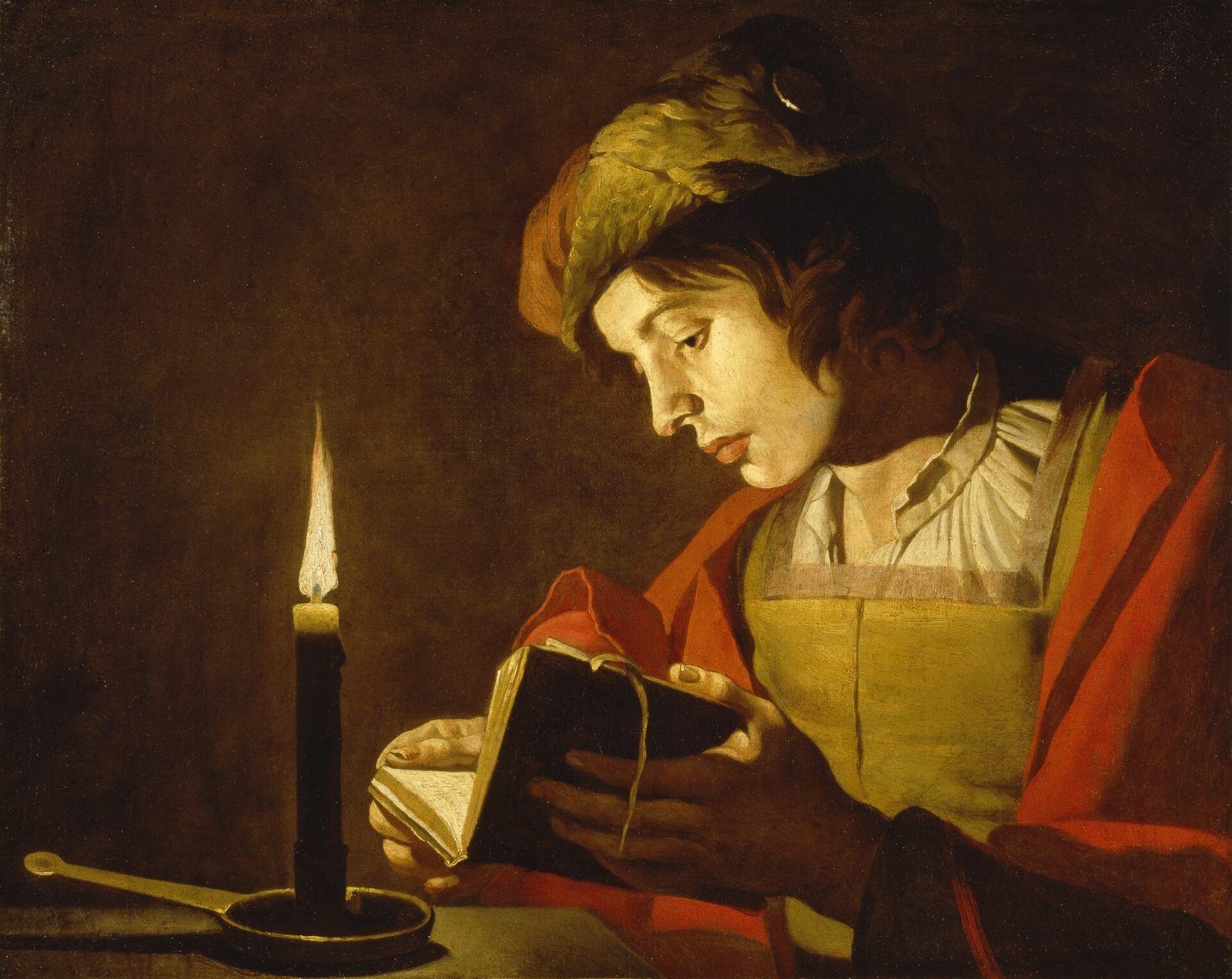
For a few years I measured my reading by the number of books I finished. The count went up every year. My memory of the books did not. I could tell you that I had read something, and roughly what it was about, but not what it actually argued, what evidence it used or why it had seemed important at the time. The books had passed through me rather than into me. So I changed how I read: fewer books, read more slowly, with a pen in hand.
The worry is not new. Around the year 63, the Roman philosopher Seneca wrote to his friend Lucilius warning him against reading too many authors in a restless hurry. A person who travels constantly, he said, has many acquaintances and no friends, and the same is true of a reader who never stays long with any book. Food that is eaten and brought straight back up does not nourish anyone. Better to stay with a few great minds and absorb them properly. Sixteen centuries later, Francis Bacon made the same point in one of the most quoted sentences in English prose: “Some books are to be tasted, others to be swallowed, and some few to be chewed and digested.”
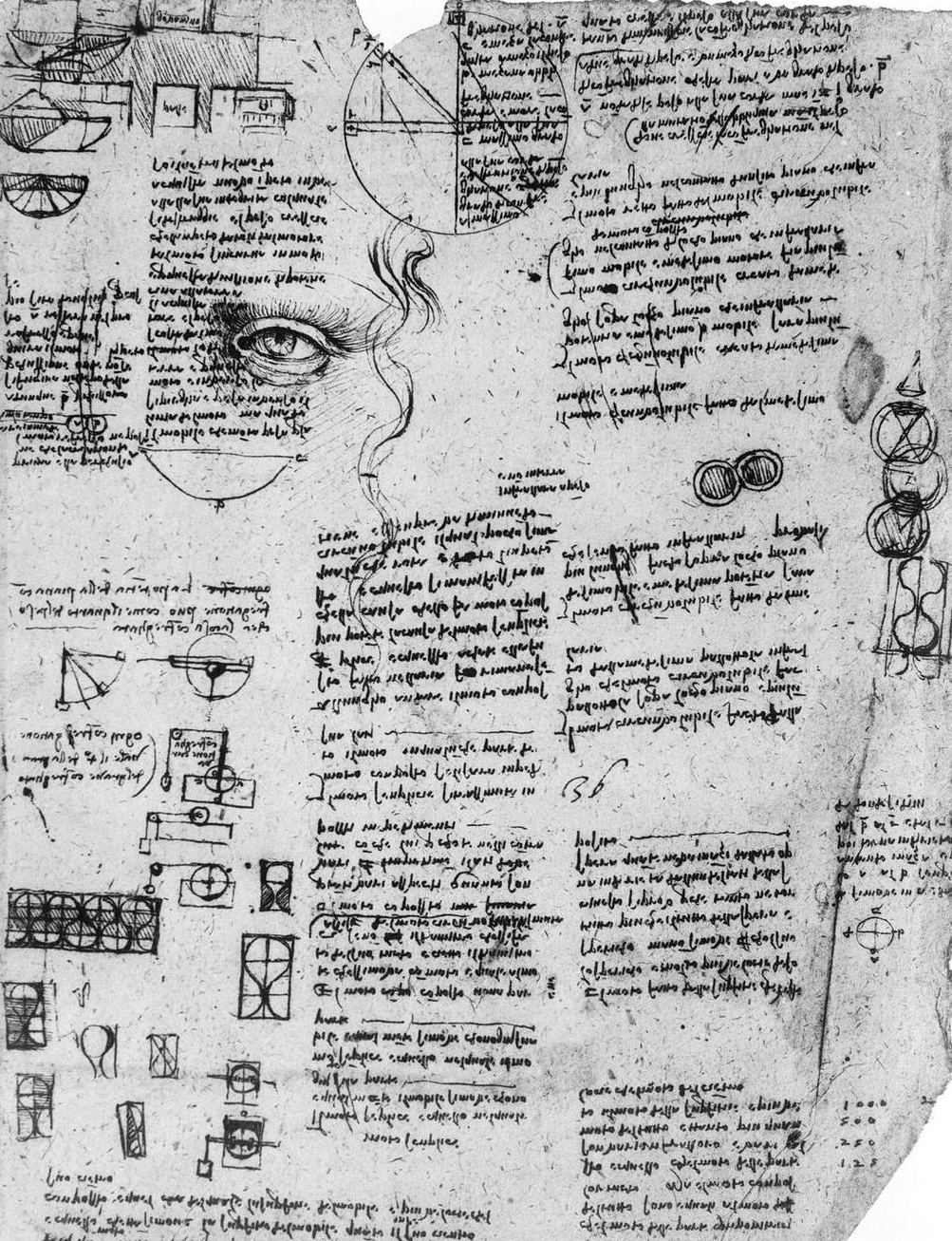
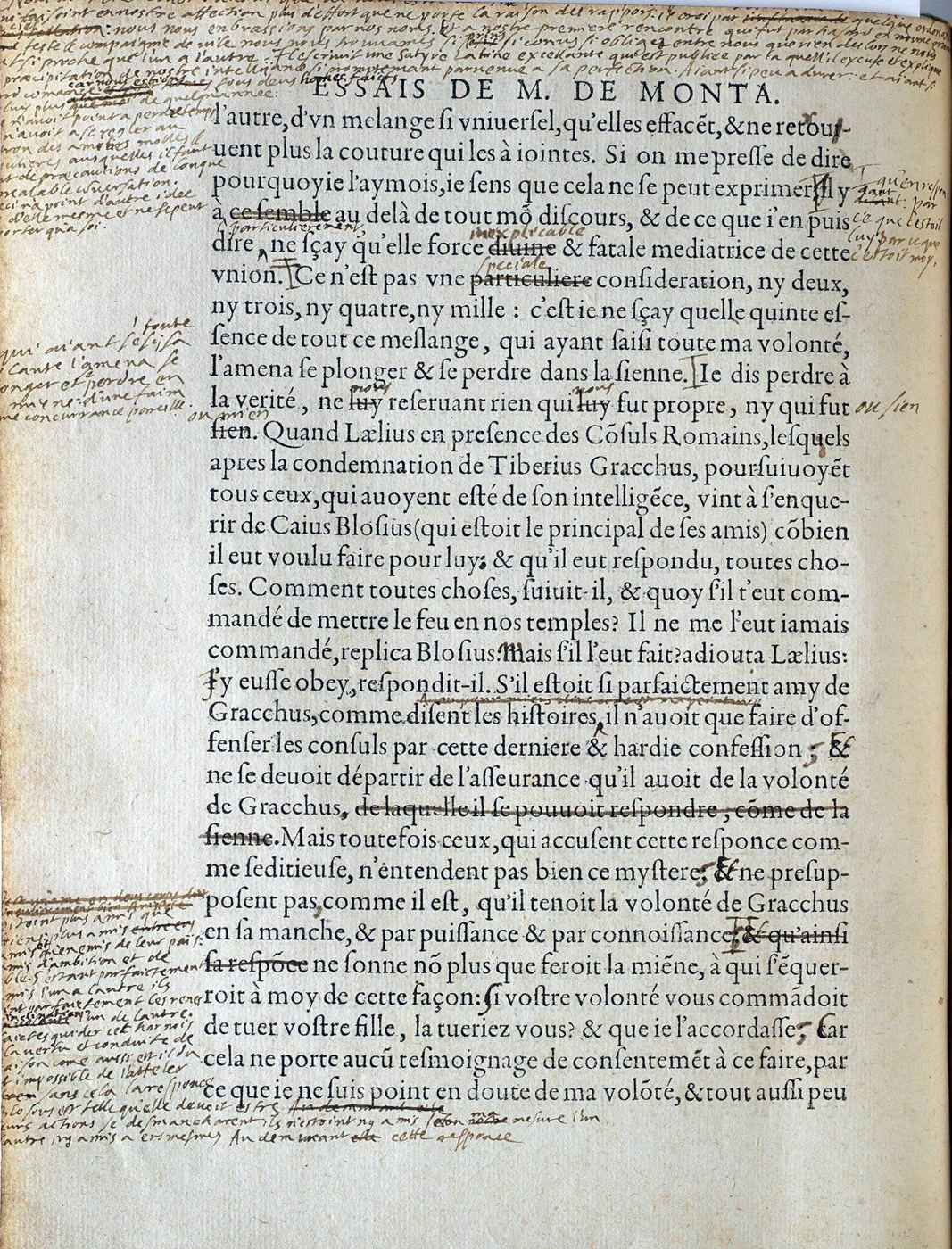
For most of history, slow reading was simply how reading was done. Books were rare and expensive, and a scholar might own a few dozen. Medieval monks practised lectio divina, a way of reading scripture that meant going over a short passage several times, aloud or under the breath, and then thinking and praying about it. Readers wrote in their books constantly. The margins of surviving manuscripts and early printed books are full of notes, corrections, summaries, small pointing hands drawn to mark important passages, and arguments with the author. Michel de Montaigne’s own copy of his Essays, now kept in Bordeaux, is covered with his additions in the margins, because he never stopped rereading and rewriting it.
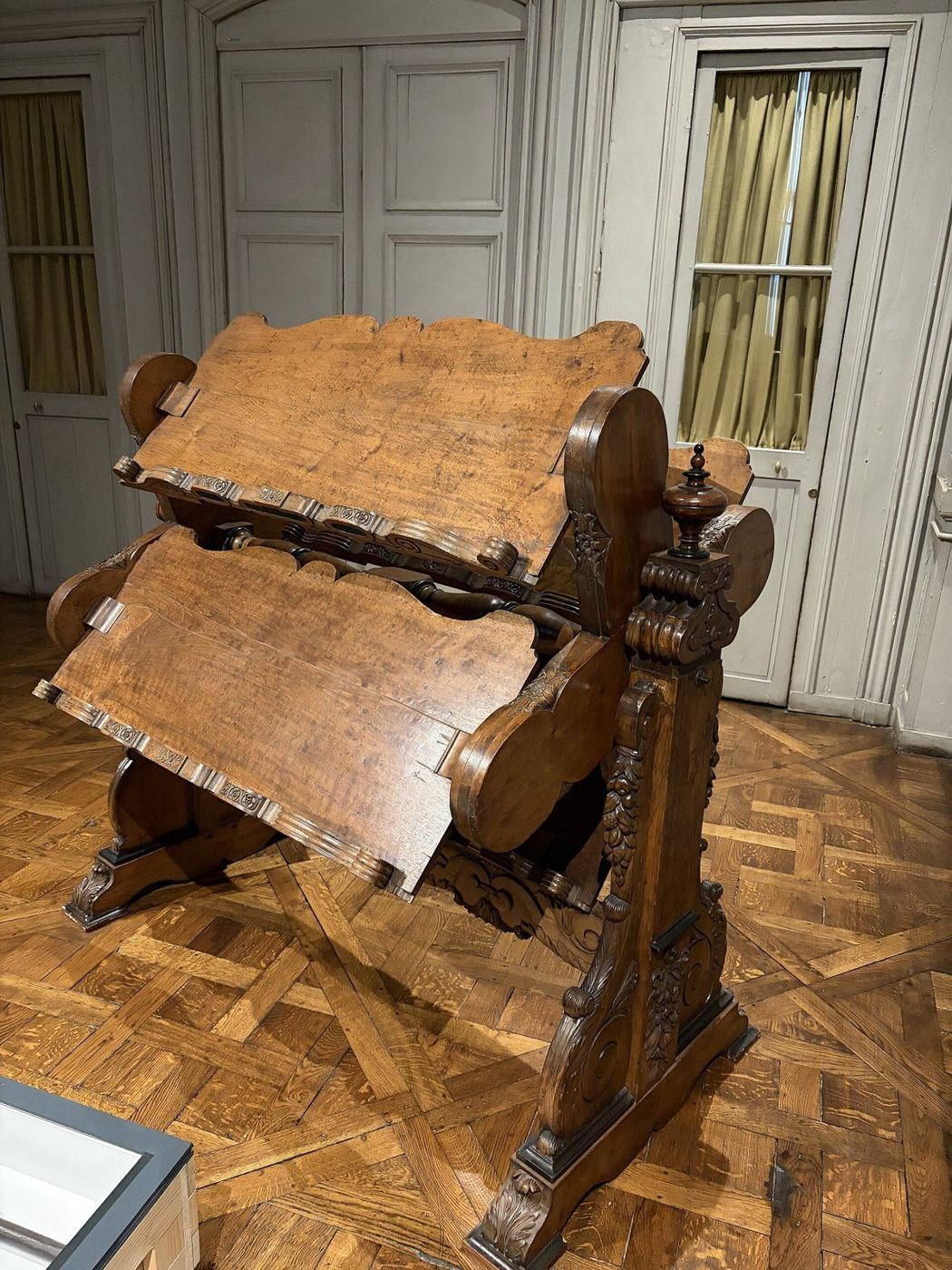
There is something to learn from the tools that went the other way. In 1588 the Italian engineer Agostino Ramelli published a design for a book wheel, a large rotating stand that let a scholar keep a dozen heavy books open at once and move between them without leaving the chair. It is a beautiful machine and a slightly alarming one, an early answer to the problem of having more to read than time to read it. The modern version is the feed, the open tabs, the stack of books started and not finished.
What I do now is not complicated. I read with a pen. I mark passages that seem important, write questions in the margin and argue with the author when I disagree. Reading becomes a conversation instead of a performance. I stop at the end of each chapter and, before moving on, write two or three sentences on what the chapter argued. If I cannot do that, I go back, because it means the chapter has passed by without landing. I reread the books that matter. The second reading is often better than the first, because I already know the shape of the argument and can notice the details, the assumptions and the weak spots that I missed while I was finding my way. And I give myself permission to stop. Slow reading only works if the book deserves it. If something is not worth a careful read, it is usually not worth a fast one either.
There are good reasons to think this works, beyond my own impression. Reading fast is fine for news, for reference and for books where you only want the gist. But the books that change how you think need time to sink in, and part of what makes them stick is the effort of slowing down. Writing a summary from memory at the end of a chapter is a form of what psychologists call retrieval practice: actively recalling something, rather than passively reviewing it, is one of the most reliable ways known to strengthen long-term memory. Experiments by Henry Roediger and Jeffrey Karpicke in the 2000s found that students who practised recalling a text remembered much more of it a week later than students who spent the same time rereading it, even though the rereaders felt more confident. Rereading with notes has another benefit: it shows how my own understanding has changed between readings, which is often more interesting than the book.
What do I read this way? Philosophy, history, science, and a few classics on investing and design. The library holds my notes on them, and some of those notes started as scribbles in a margin. Novels and lighter books still get read at whatever speed they ask for.
The method has a cost. I finish fewer books. I sometimes feel behind, aware of everything I have not read. But a year of slow reading has left me with more ideas I can actually use, explain and connect than several years of fast reading did. That seems a good trade.
If you want to try it, there is a simple experiment. Pick one book you have already read and liked. Read it again slowly, with a pen, writing a short summary at the end of each chapter. A month later, compare what you remember with what you remembered after the first reading. The difference is the argument for reading slowly, and it is more persuasive than anything I can write here.
Ayoub Khallok keeps this archive of essays, research, lessons and notes, written to understand things more clearly. More about Ayoub.
Enjoyed this piece? Follow along.
New essays, studies, lessons and notes arrive here a few times a month. There's no newsletter or algorithm, just an RSS feed for every section, so you can follow only what interests you.
SubscribeSubjectsLearning, Philosophy
Filed inWriting