Spaced repetition over twelve months: a self-study
A year-long self-experiment with flashcards: the protocol, what I track, and what earlier research predicts.
Published
12 August 2026
Spaced repetition is one of the best-supported techniques in the science of learning. This self-study follows my own use of it for twelve months, tracking daily time, review counts and retention, to see how the research holds up for one ordinary learner. The protocol is set out here first, and results will be added month by month.
Status: in progress. This page sets out the protocol. Monthly results will be added as they come in.
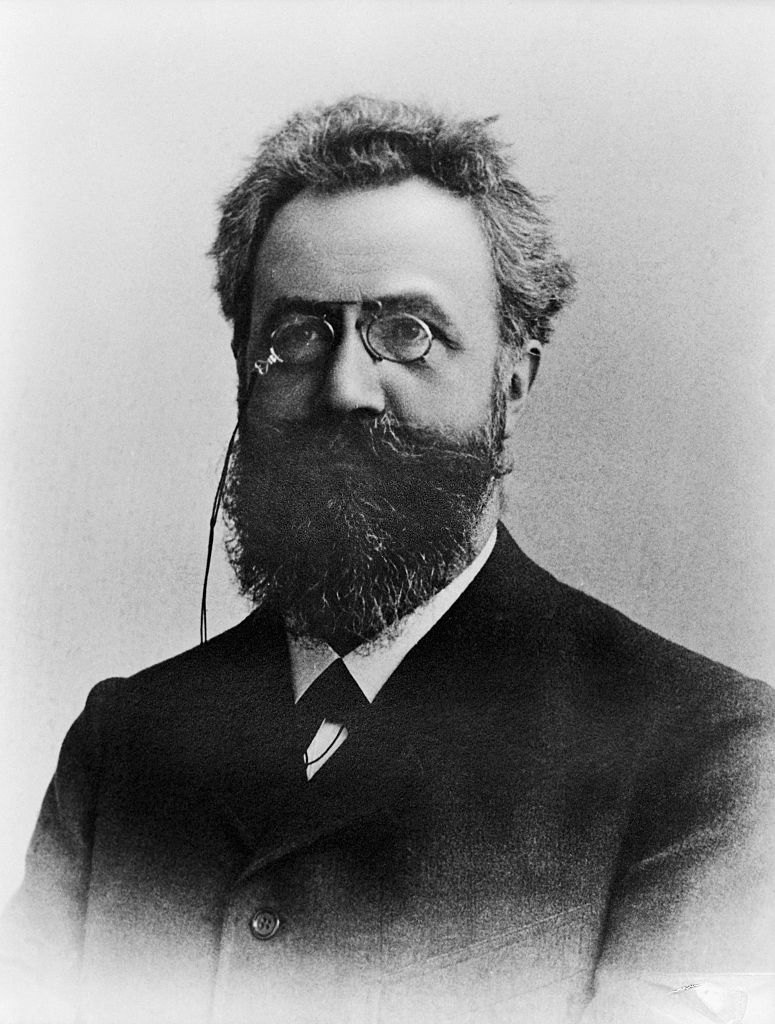
In the early 1880s the German psychologist Hermann Ebbinghaus ran one of the strangest and most patient experiments in the history of science, with himself as the only subject. He made up more than two thousand nonsense syllables, such as dax, bok and yat, chosen so that they would carry no meaning and no associations. He learned lists of them by heart, reciting them in time to a metronome, and then measured how much effort it took to relearn each list after intervals ranging from twenty minutes to a month. The results, published in 1885 as Über das Gedächtnis (On Memory), gave psychology its first careful measurements of forgetting.
Background
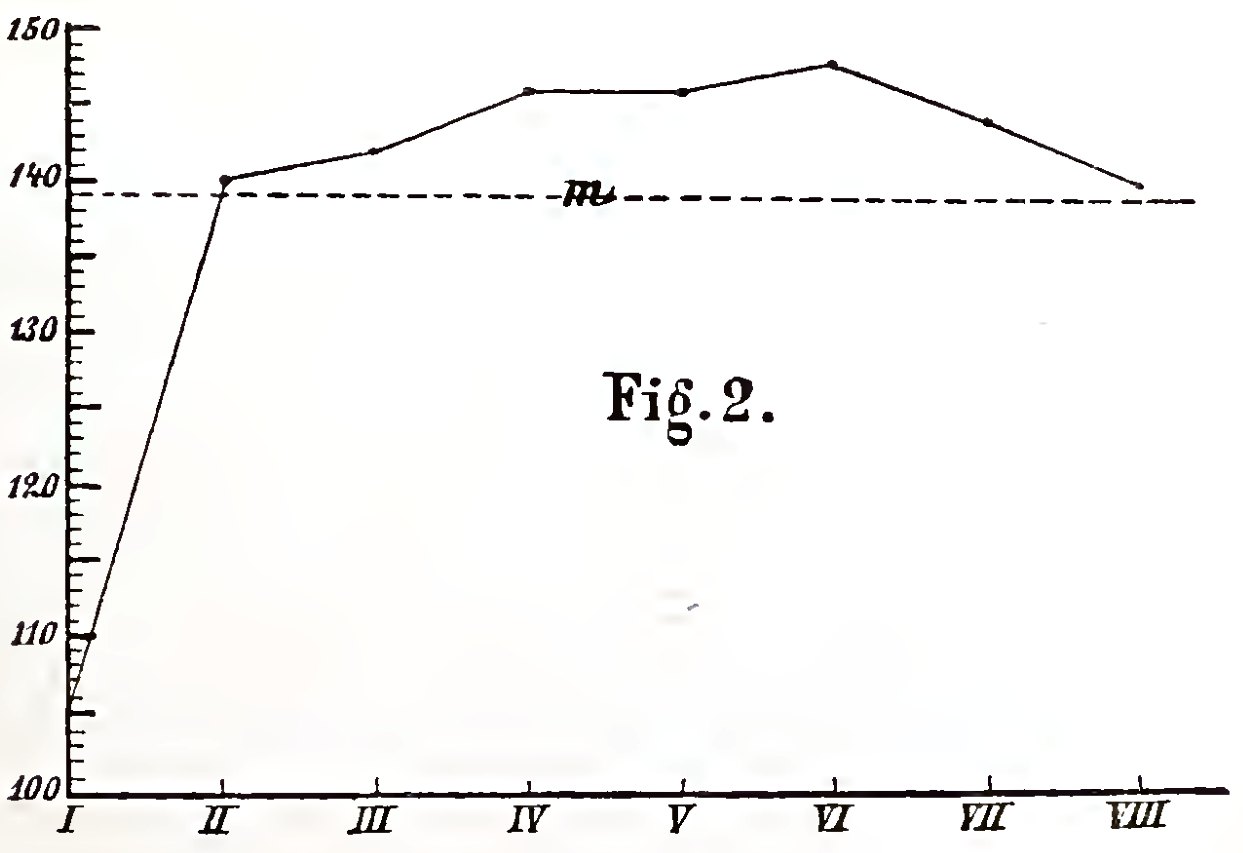
What Ebbinghaus found is now called the forgetting curve. Memory fades fast at first, with much of a new list lost within the first day, and then more slowly, levelling off over the following weeks. He also noticed that spreading practice out over several days helped more than the same amount of practice crammed into a single session. That observation, the spacing effect, has since been confirmed in an enormous number of studies. A large review by Nicholas Cepeda and colleagues in 2006 pulled together hundreds of experiments and found that spaced practice consistently beats massed practice for long-term retention, across many kinds of material and many ages of learner. It is one of the most reliable findings in the psychology of learning.
Spaced repetition software turns the effect into a daily routine. Each fact is put on a card, and the software decides when to show it, aiming for the moment just before you are likely to forget. If you answer correctly, the next interval grows, from a day to several days, then weeks, then months. If you get it wrong, the interval shrinks and the card comes back soon. The classic scheduling rule, called SM-2, was devised by the Polish researcher Piotr Woźniak for his program SuperMemo in the late 1980s. Anki, the free program I use, was built on a variant of it, and in recent years has added a newer scheduler called FSRS, which fits a model of each learner’s own memory to their review history.
What I am testing
I am not testing whether spacing works. That question is well answered by a century of research. What I want to know is what spaced repetition looks like in the real life of one ordinary learner over a full year, with all the interruptions, changes of interest and bad weeks that real life involves. In particular, I want to find out how much daily time a steady habit actually takes once the number of cards has grown; what retention I achieve on mature cards, those I have known for a while; what happens to retention after missed days or weeks; and which kinds of material stick easily and which keep failing.
Protocol
I use Anki with its default settings, except for a target retention of 90 per cent, meaning the scheduler aims for me to remember nine cards in ten when they come up. The material is split into three separate decks: terms from finance and economics, concepts from statistics, and vocabulary from my reading. I add at most ten new cards a day, each written by me in my own words and each holding a single fact, since cards that try to test several things at once are both harder to answer and harder to learn from. The daily goal is to clear all the reviews that are due.
What I record
Each day I note the minutes spent, the number of reviews done, the number of new cards added, and whether I skipped the day entirely. Each month I record the retention rate on cards with intervals of twenty-one days or more, which Anki treats as mature; the number of cards I keep failing, sometimes called leeches; and short notes on anything that changed, such as a busy period, a change in the kind of cards I was writing, or a new deck.
Limits
This is a study of one person, so nothing in it generalises in a statistical sense. It is closer to Ebbinghaus’s experiment on himself than to a controlled trial. I also write my own cards, which means that my motivation and the quality of my cards will change over the year, and both will affect the results. Rather than try to control for this, I will report those changes as part of the data, since they are exactly the kind of thing a real learner would face.
What I will publish
The monthly numbers, a chart of retention and daily time across the year, and a final summary at the end of the twelve months, including anything that went wrong.
Ayoub Khallok keeps this archive of essays, research, lessons and notes, written to understand things more clearly. More about Ayoub.